• Shopping Cart Shopping Cart
    0Shopping Cart
Mission Museum
  • Link to Facebook
  • Link to Instagram
  • About Us
  • Local History
  • Museum Collection
  • Events & Programs
    • Events
    • Children’s Summer Programs
    • Historic Downtown Walking Tours
    • School Programs & Educational Resources
  • Exhibits
  • Get Involved
    • Volunteer Application Form
    • Employment Opportunities
  • Donate
    • Artifact Donations
    • Financial Donations
  • Contact us
  • Click to open the search input field Click to open the search input field Search
  • Menu Menu

STÓ:LŌ FISHING

A Cultural Practice

For at least 10,000 years, the Stó:lō people have fished the Fraser River as the original inhabitants of their traditional territory, S’olh Temexw, which extends across the Fraser Valley and Fraser Canyon. The English name of the Fraser River and Valley was named after Scottish fur trader Simon Fraser, and Stó:lō is the Halq’emeylem word for the body of water and refers to the area in which the Stó:lō live. Although settlement has dramatically changed the landscape surrounding the River, Stó:lō fishers continue to utilize their harvesting skills in the present day. Their practices are grounded in an economy of sharing, sustainability, and respect for the fish. The kinds of fish typically caught in this area include spring salmon, sockeye salmon, sturgeon, eulachons, and dog salmon.
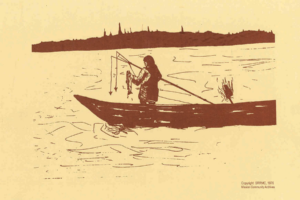
Tools and Techniques

Stó:lō fishers have traditionally used handmade fishing tools, but in the present time, a blend of both traditional and manufactured tools are utilized. Traditional tools include harpoons, nets, hooks, and sinkers made out of processed cedar and carved stone. Some techniques used to trap fish include weirs (a passage constructed in water to direct or trap fish), bag nets (large open-mouth nets operated by four people in two boats), and dip nets (a handheld net on a long pole). Timing is also crucial: many of the months in the Stó:lō calendar are named in Halq’emeylem language to reflect important points in the fishing season. Tempo:kw the first month is time for Chehalis spring salmon (Oct 23-Nov 21), Temkwikwexel the seventh month is time for baby sockeye salmon (Apr 19-May 17), Temtheqi the eleventh month is sockeye salmon time, and Temkw’o:lexw the twelfth month is dog salmon time (Sept 14-Oct 12).

Methods and Social Responsibilities

Fishing not only includes methods for harvesting food from the river, but also represents a complex Indigenous social network to ensure that the fish population is properly managed. Stó:lō Elder Albert (Sonny) McHalsie explains that fishing practices are centered around the relationship between land and Stó:lō families. Within the Stó:lō community, there is an understanding that certain families are responsible for taking care of specific fish camp spots. Families gather and set up their preferred fishing gear, and work together to catch and process the fish harvest. After the fish is caught and butchered, a common processing method is the use of a drying rack to wind-dry fish in the summer months. Other processing methods include salting, barbequing, smoking, or canning the fish.

Disruptions

For thousands of years, Stó:lō fishers have managed their fishing practices in a way that is responsive to environmental shifts and considerate of human and non-human beings. By astute observations and careful decisions, traditional fishing practices were a system of resource management that prevented over-fishing, and ensured that there was enough food to go around. This system functioned both locally and in relation with the wider community using the potlatch system, a practice of ceremonial redistribution of food and material goods.

Between 1894 and 1914, the Canadian Department of Fisheries created a permit system, which later became the Food Fish Permit system in 1923. The permit system restricted Indigenous food fishing to three days of the week and between certain times of day, and limited what tools and techniques were permitted. Furthermore, the potlatch was banned from 1885 to 1951, which disrupted the culturally integral fish economy. Today, Indigenous fishing regulations in BC are enforced provincially by the Fish and Seafood Act, and federally by the Fisheries Act. These acts recognize Indigenous harvesting rights, but the right to sell fish is not recognized provincially, except when proven in court.
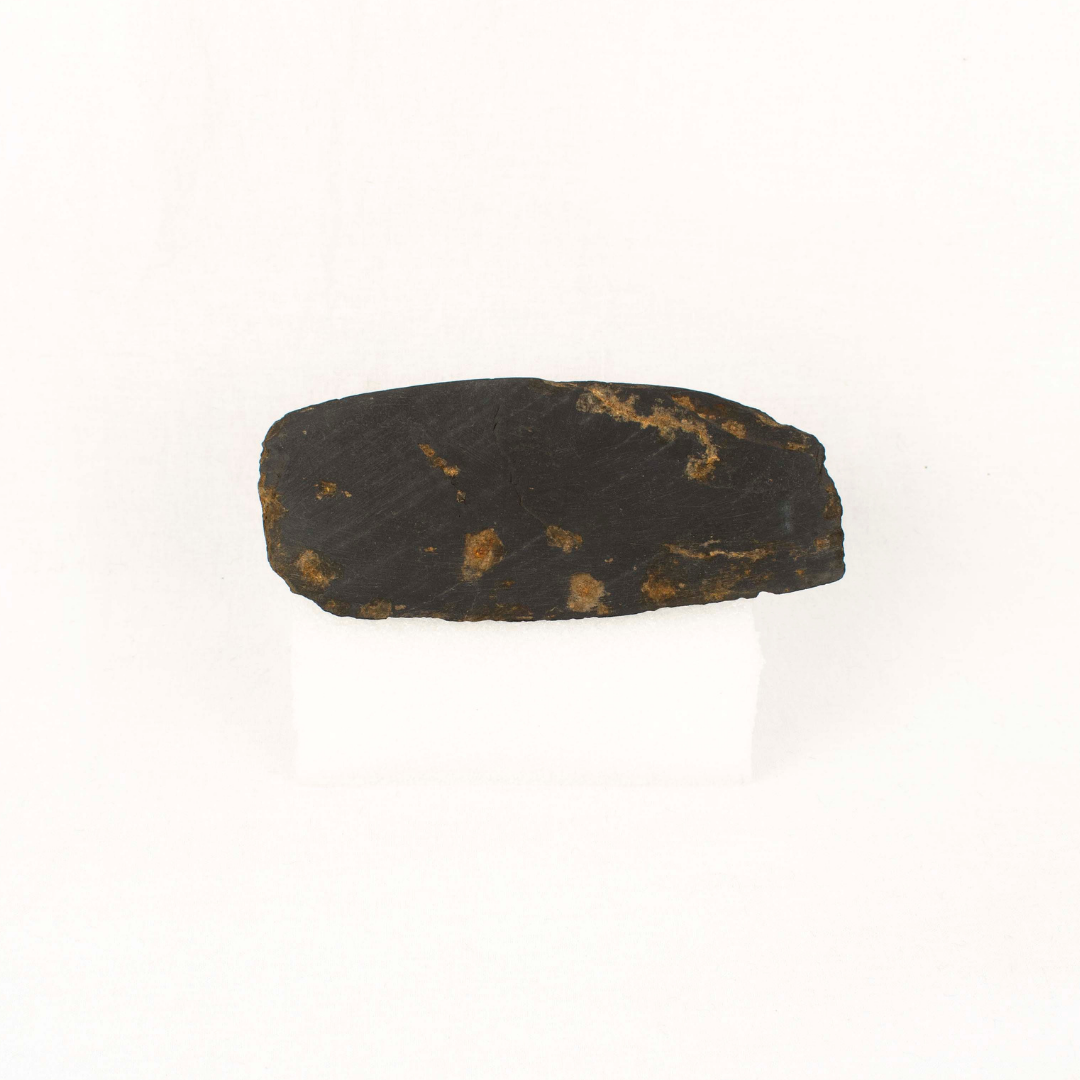
Ground slate blades are created in a variety of sizes, shapes, and thicknesses and are hafted for use in cutting fish. 1972.013.018
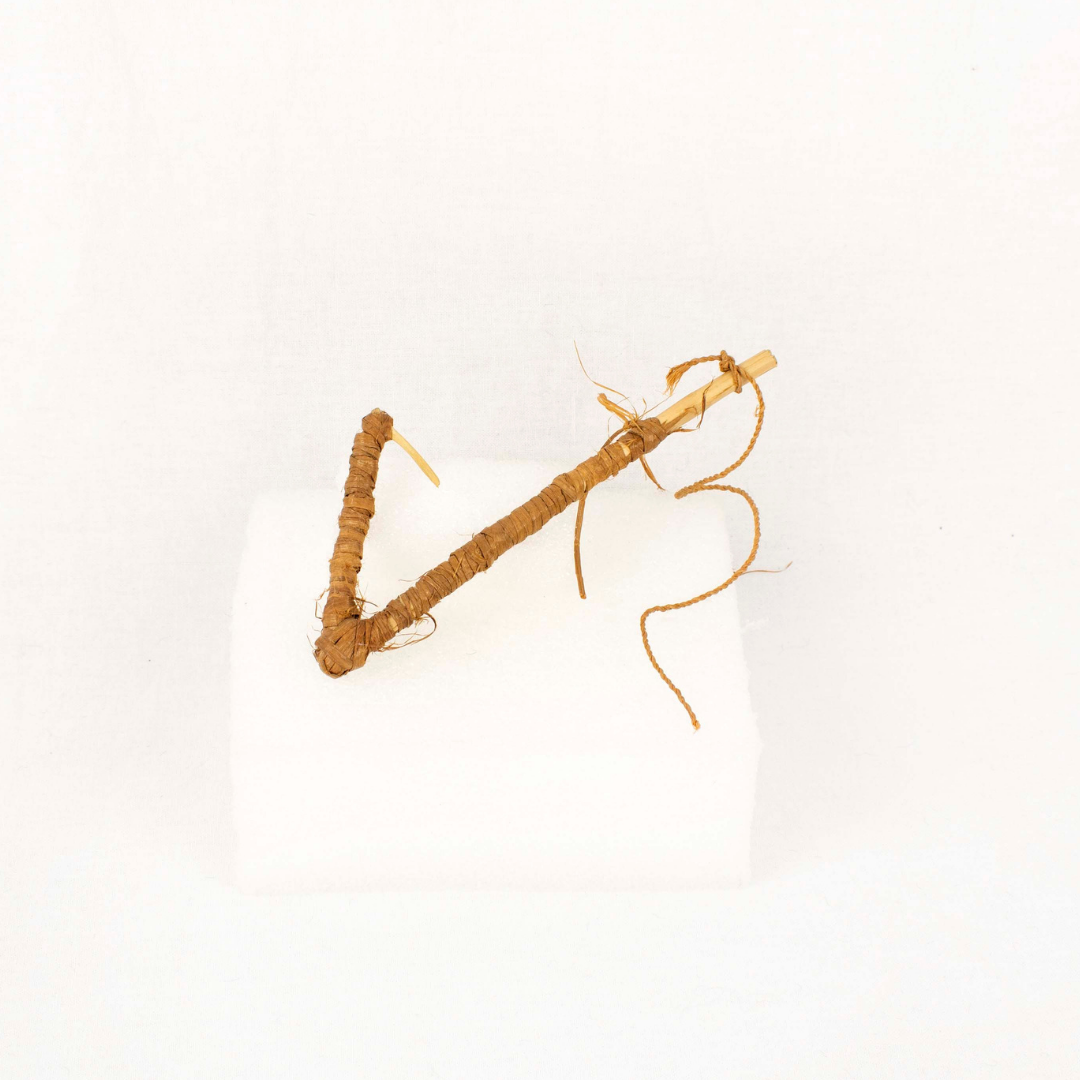
Fish hook made from cedar, with wrapped line and barb. 1978.106.168
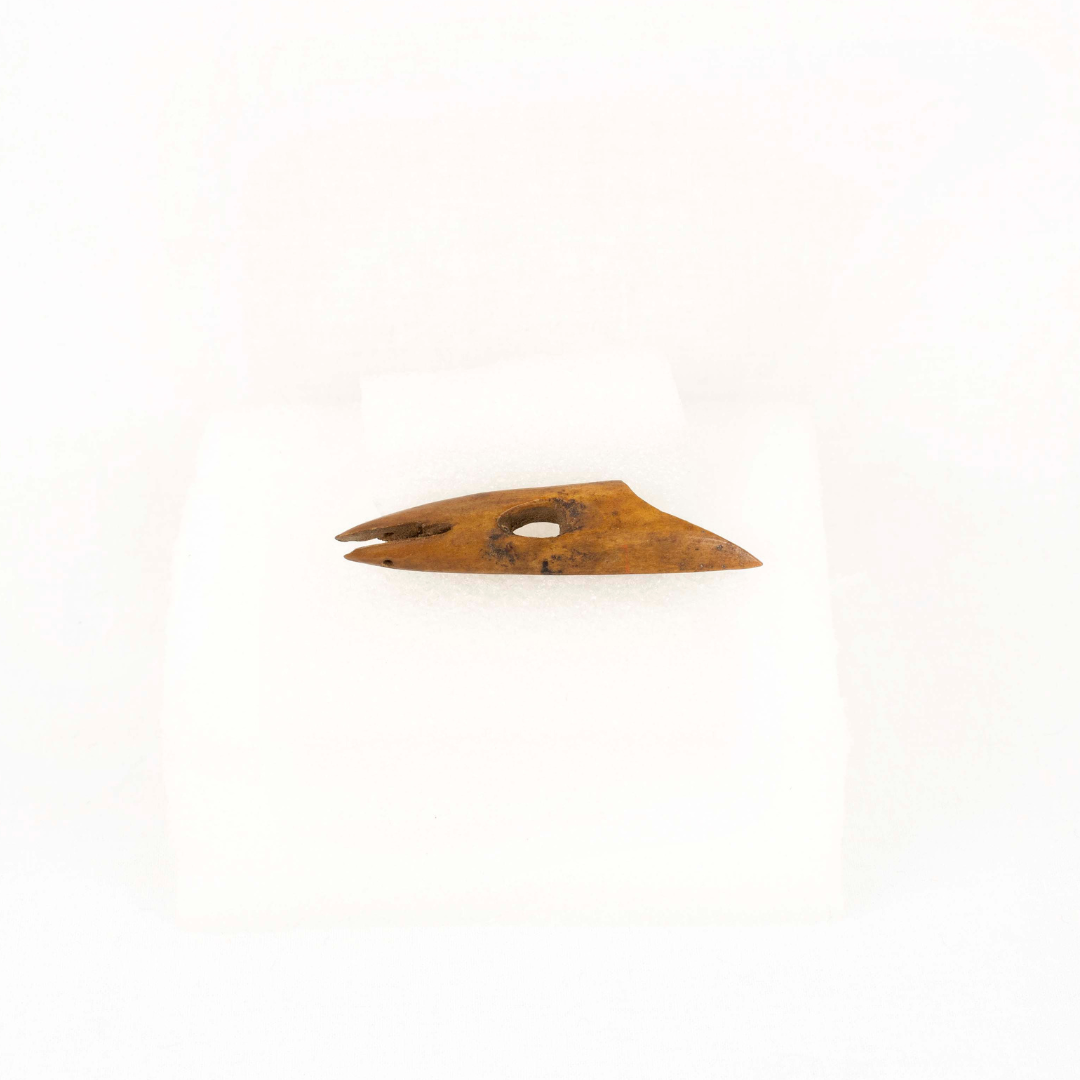
This harpoon head would have been attached to a long pole, tied by rope. 1972.020.004
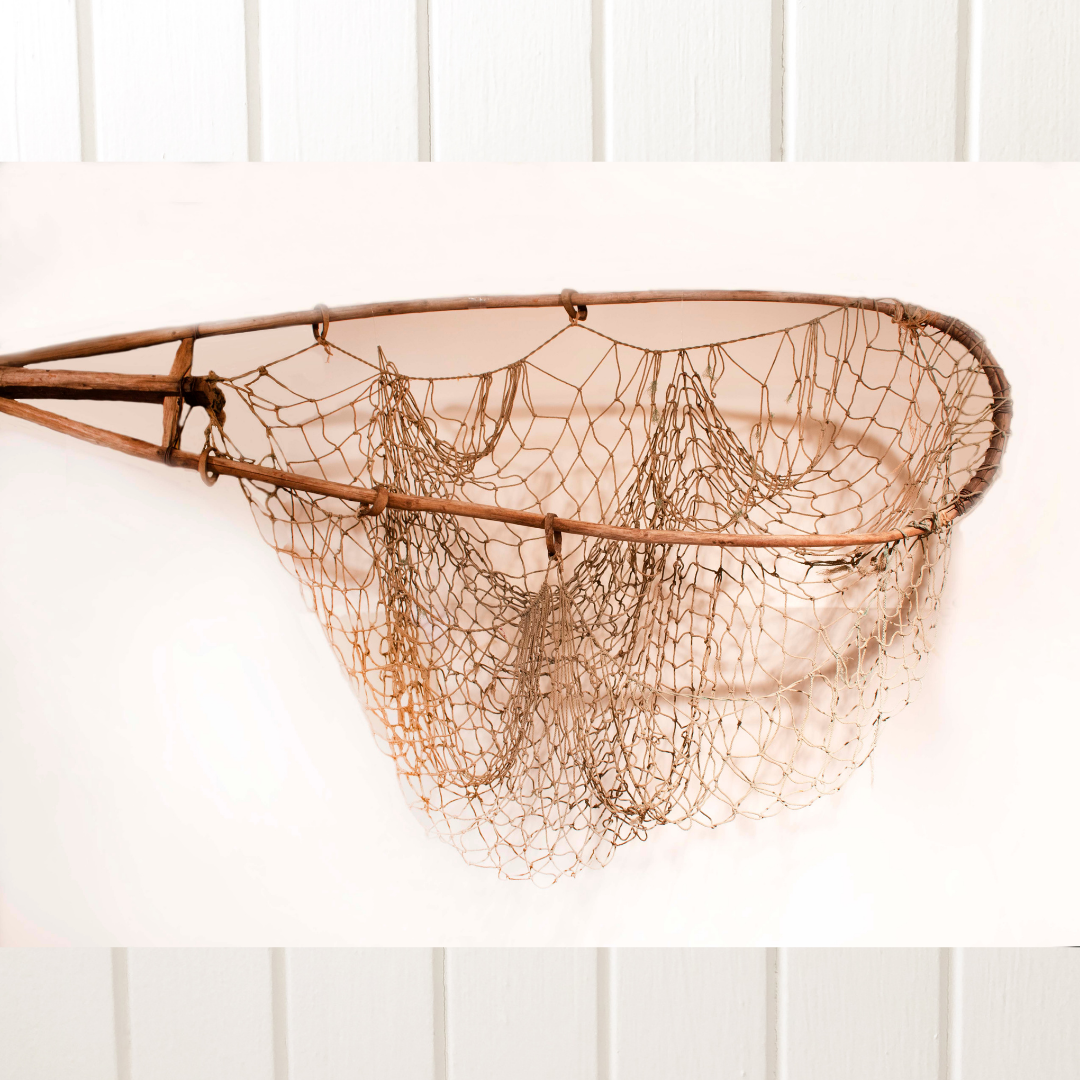
When dip netting, one stands above the fast moving water of the narrow part of the river from a rock or wooden platform. The net is lowered into the water and the mouth of the net is closed, trapping the fish. 2015.009.001
Carved rock sinker. 1972.103.013
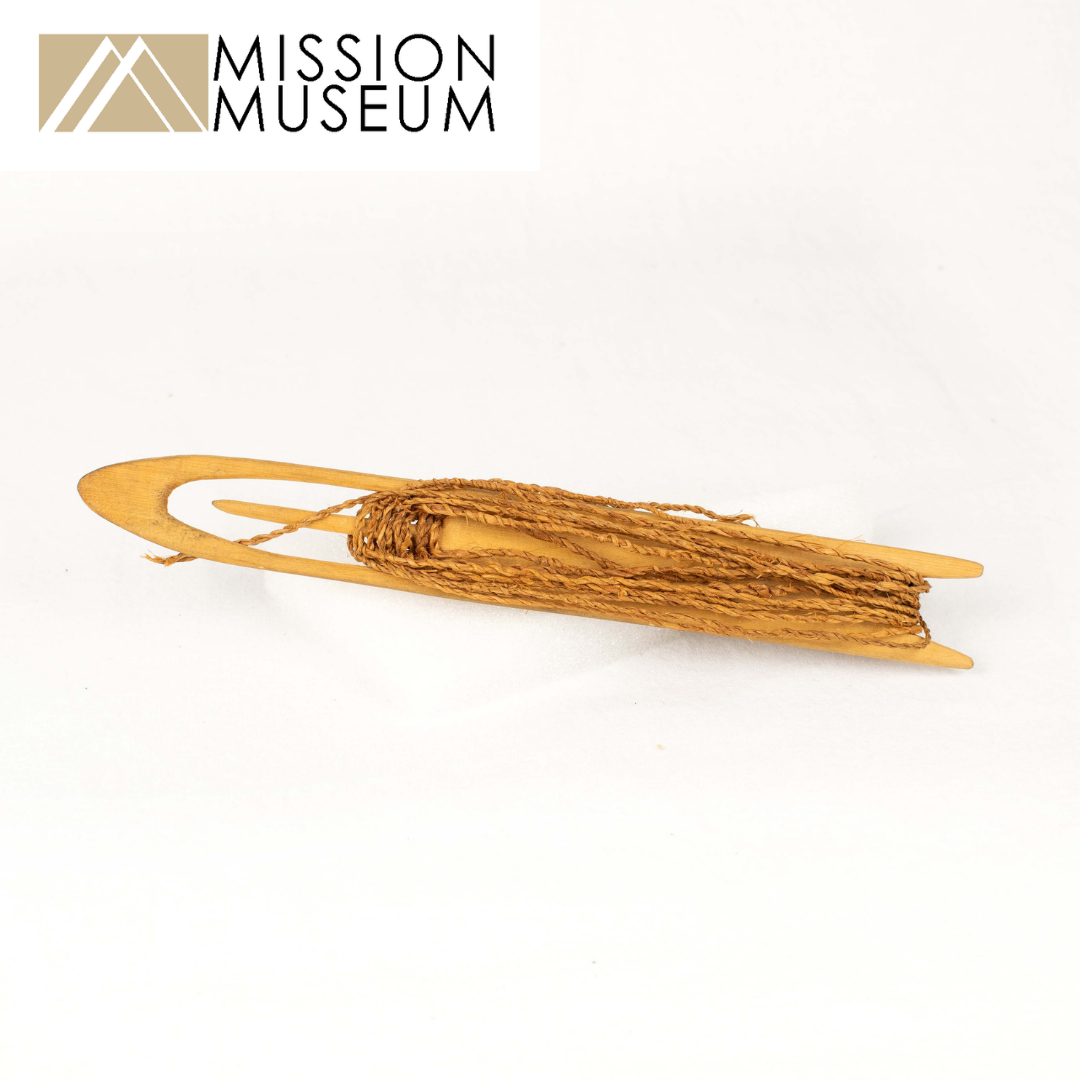
Carved cedar netting needle, used to repair nets. 1978.106.136

Image courtesy of the Mission Community Archives.

Bibliography: https://indigenousfoundations.arts.ubc.ca/aboriginal_fisheries_in_british_columbia/

                          Upper Stó:lō Fraser Valley Fishing. (2006) Coqualeetza Cultural Education Centre.

BACK TO EXHIBIT HOMEPAGE

Get notified about museum exhibits, events and programs!

Like us on Facebook

Events Calendar

Current Month

june, 2026

Search Search

Museum Hours

SUMMER HOURS:

June 18th – August 22nd, 2026

Thursdays – Saturdays
10am – 4pm

Website Privacy Statement
Indigenous Relations Policy

Museum Address

33201 2nd Avenue, PO Box 3522
Mission BC V2V 4L1
604 826 1011

info@missionmuseum.com

GENEROUSLY SUPPORTED BY

The Mission District Historical Society gratefully acknowledges financial support received from the City of Mission, the province of British Columbia and private and corporate donors.

Copyright - Mission Museum - powered by Enfold WordPress Theme
  • Link to Facebook
  • Link to Instagram
Scroll to top Scroll to top Scroll to top

This site uses cookies. By continuing to browse the site, you are agreeing to our use of cookies.

AcceptHide NotificationSettings

Cookie and Privacy Settings


How we use cookies

We may request cookies to be set on your device. We use cookies to let us know when you visit our websites, how you interact with us, to enrich your user experience, and to customize your relationship with our website.

Click on the different category headings to find out more. You can also change some of your preferences. Note that blocking some types of cookies may impact your experience on our websites and the services we are able to offer.

Essential Website Cookies

These cookies are strictly necessary to provide you with services available through our website and to use some of its features.

Because these cookies are strictly necessary to deliver the website, refusing them will have impact how our site functions. You always can block or delete cookies by changing your browser settings and force blocking all cookies on this website. But this will always prompt you to accept/refuse cookies when revisiting our site.

We fully respect if you want to refuse cookies but to avoid asking you again and again kindly allow us to store a cookie for that. You are free to opt out any time or opt in for other cookies to get a better experience. If you refuse cookies we will remove all set cookies in our domain.

We provide you with a list of stored cookies on your computer in our domain so you can check what we stored. Due to security reasons we are not able to show or modify cookies from other domains. You can check these in your browser security settings.

Google Analytics Cookies

These cookies collect information that is used either in aggregate form to help us understand how our website is being used or how effective our marketing campaigns are, or to help us customize our website and application for you in order to enhance your experience.

If you do not want that we track your visit to our site you can disable tracking in your browser here:

Other external services

We also use different external services like Google Webfonts, Google Maps, and external Video providers. Since these providers may collect personal data like your IP address we allow you to block them here. Please be aware that this might heavily reduce the functionality and appearance of our site. Changes will take effect once you reload the page.

Google Webfont Settings:

Google Map Settings:

Google reCaptcha Settings:

Vimeo and Youtube video embeds:

Other cookies

The following cookies are also needed - You can choose if you want to allow them:

Privacy Policy

You can read about our cookies and privacy settings in detail on our Privacy Policy Page.

Website Privacy Statement
AcceptHide Notification
X